Feature
Estonia’s digital health DNA: Trust, data, and biotech in focus
From e-health records to a biotech hub in Tartu, Estonia is harnessing data, digital infrastructure, and investment to drive life sciences growth. Catherine Longworth explores.
Powered by


Estonia is turning digital infrastructure and public trust into a springboard for health technology innovation. Video supplied by Treedeo/Creatas Video via Getty Images
Cover Story
Precision in paradise: the Dominican Republic emerges as Latin America’s medtech hub
The Dominican Republic is emerging as a strategic nearshoring hub for the US, driven by a rapidly expanding medical device manufacturing sector enjoying industrial free zones, tax incentives and international trade agreements. By Bernard Banga.
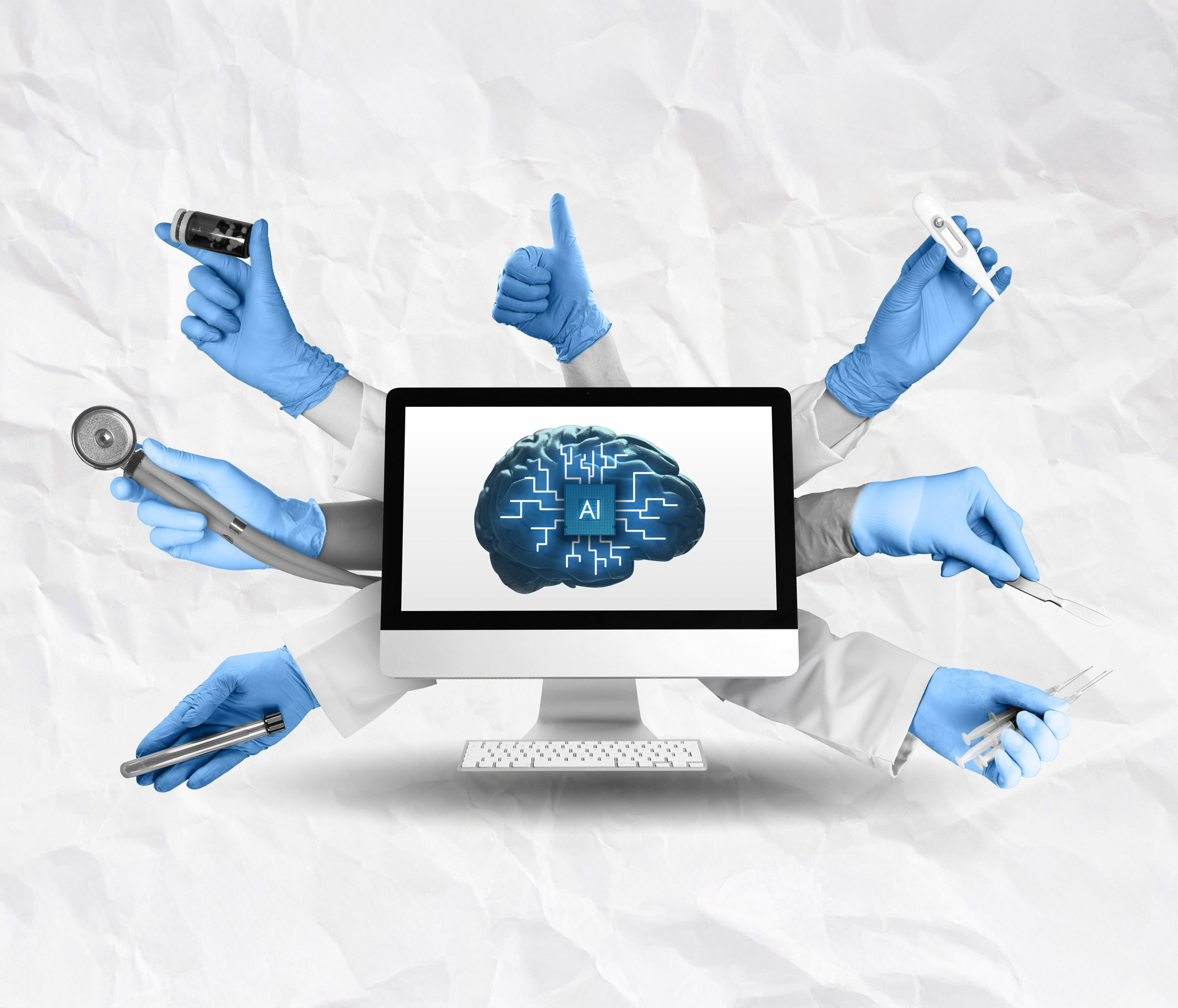
Agentic AI in medicine supports multitasking across clinical tools, data and workflows to improve decision-making and efficiency. Credit: Volodymyr Horbovyy / Shutterstock
With just 1.3 million residents, Estonia’s digital footprint far exceeds its size.
When Barack Obama visited Tallinn in 2014, he wryly noted that he “should have called the Estonians” when setting up his administration’s healthcare website – a remark that reflected the country’s quietly formidable reputation in digital governance. From online voting and national ID cards to near-universal e-health records, Estonia has built systems that continue to draw international attention.
These developments didn’t happen overnight. As Rannar Park of e-Estonia’s Briefing Centre points out: “Trust is earned in drops and lost in buckets.”
In healthcare, one of the most sensitive digital sectors, Estonia has treated scarcity as a driver of innovation rather than a limitation. Security and citizen control are central: decentralised systems mean no single entity holds all data, and patients legally own their health records.
Today, roughly 99% of patient data is digitised, with more than 200 million documents stored in the Estonian Central Health Information System, including prescriptions, test results, and clinical notes – many patients contributing multiple records over time.
At the heart of this network is X-Road, a secure, decentralised data-exchange platform enabling providers, insurers, and patients to access comprehensive medical histories online.
Estonia’s long-term vision of interoperable, citizen-centred services extends beyond its borders: cross-border e-prescriptions now function across the European Union, a testament to both technical foresight and the country’s awareness of the regional and geopolitical challenges that have shaped its digital approach.
Estonia’s health tech pioneers
The global health-tech market is projected to reach $975.5 million by 2030, growing at more than 20% annually. Estonia’s compact size, combined with a culture of experimentation, makes it an ideal testing ground for start-ups. At the forefront is Health Founders Estonia (HFE), a government-backed accelerator with a clear target: to scale 100 health-technology companies over the next decade.
Among its most prominent innovators is LifeYear, which is targeting the NHS to ease pressures in cardiac care. With over 400,000 people waiting for treatment in the UK, its remote patient management platform digitises cardiac care pathways, reducing hospital visits and readmissions. CEO Siim Saare says: “Our goal is to improve outcomes for patients while addressing one of the biggest challenges for the NHS.” LifeYear is preparing its first UK pilot in partnership with Oxford University Hospitals.
Better Medicine is tackling a different challenge: diagnostic accuracy in oncology. Its artificial intelligence (AI) tool, BMVision Kidney, helps radiologists identify and measure kidney lesions from CT scans, speeding workflows and reducing errors.
“Kidney cancer is often overlooked during scans,” explains founder and chief medical officer Dr. Martin Reim. “Our AI acts as a second pair of eyes. When we started, no other certified AI solution existed for kidney cancer detection.”
Meanwhile, Migrevention is focused on reducing waiting times for migraine care, which in the NHS averages nine weeks. CEO Katrina Laks, inspired by her own experience with severe migraines, says: “By piloting digital solutions in outpatient clinics, we aim to reduce waiting times and improve patient outcomes.”
In oncology, Antegenes, founded by oncologist Dr. Peeter Padrik, applies precision medicine to cancer screening. Its polygenic risk models identify higher-risk patients, enabling earlier, personalised screening programmes. UK telemedicine partnerships extend these targeted interventions to underserved populations.
Estonia’s digital health frontier:
- Kodality specialises in building digital health infrastructure and interoperability solutions, allowing patient information be moved securely between systems.
- Mentastic uses AI and wearable data to monitor mental health and support early intervention.
- 7Sense translates spatial information into touch, helping visually impaired users navigate while creating potential for early disease detection.
- Nanordica Medical produces antibacterial nanofibre wound dressings for chronic wounds such as diabetic ulcers.
- Muun Health tracks hormonal cycles through wearable sensors and an app, supporting remote fertility and pregnancy care.
- Dermtest connects patients, GPs, and hospitals via teledermatology, streamlining skin cancer screening and chronic condition management.
- SpeakTX delivers online speech and language therapy through interactive exercises and remote consultations for children in schools and homes.
From Biobank to Biotech
At the heart of Estonia’s biotech ambitions lies the Estonian Biobank, established in 2001 and managed by the University of Tartu. With over 210,000 participants – roughly 20% of the population – it is a vital resource for both medical research and personalised medicine. Through the My Genome portal, participants receive insights into health risks and ancestry. Lily Milani, head of the Biobank, notes: “Only 1% of people oppose it – we don’t know any other initiative with that level of public support.”
The Biobank also underpins commercial innovation. Finnish company Nightingale Health has analysed 200,000 samples, generating 250 biomarker profiles, 39 of which are clinically validated, providing critical support for early disease prevention strategies.
While Tallinn is Estonia’s digital hub, Tartu is the epicentre of biotech innovation. At the University of Tartu, the TeamPerMed project integrates genomics, IT, clinical medicine, and socio-economic data to develop EU-wide guidelines and AI-driven decision-support tools.
Entrepreneur and scientist Mart Ustav, founder of contract development and manufacturing organisation (CDMO) Icosagen, underscores the city’s potential: “Why go to London when you can be in Tartu?”
Icosagen develops biologics, offering services from antibody discovery and recombinant protein production to stable cell line development and GMP-compliant manufacturing, including advanced therapies such as CAR T-cell treatments and antibody–drug conjugates (ADCs).
Tartu’s wider ecosystem also includes TBD Pharmatech, producing small-molecule active pharmaceutical ingredients, and Gearbox Biosciences, tackling antibiotic resistance and supporting gene and mRNA therapies. CEO Arvi Jõers recalls assisting a UK multinational in overcoming regulatory hurdles by producing antibiotic-free strains for their product, illustrating Estonia’s agility and problem-solving capacity in a highly regulated sector.
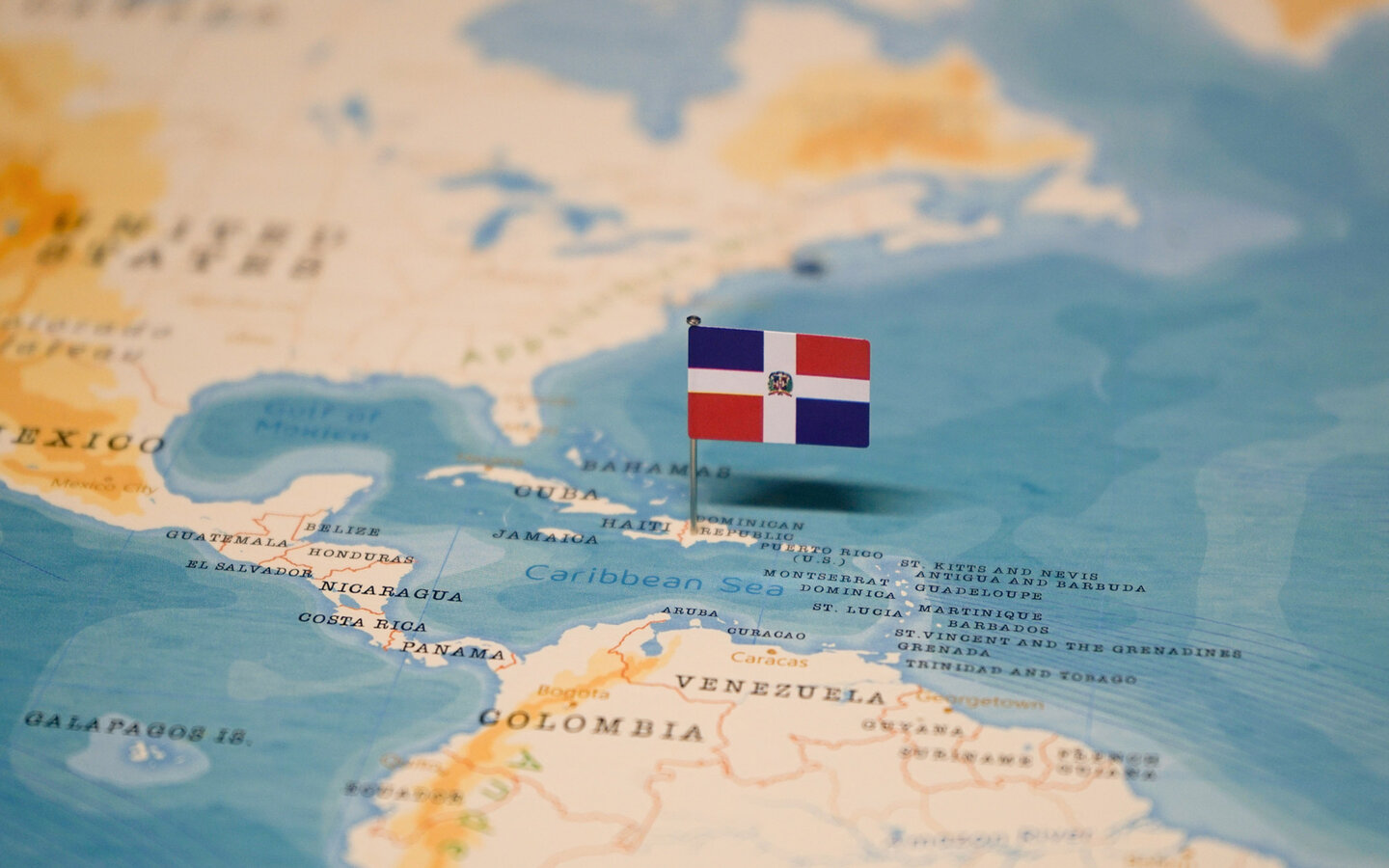
Dominican Republic free zones: key hubs of medical device manufacturing and export. Credit: hyotographics / Shutterstock.com

Bhavik Patel, president, IQVIA Commercial Solutions
Trust and risk: A balancing act
Yet innovation in Tartu – and across Estonia is not without challenges. At the end of 2023, Asper Biogene OÜ, an Estonian genetic testing company, suffered a cyberattack compromising approximately 100,000 files containing personal and health data. The Chancellor of Justice described it as Estonia’s largest health-data leak to date, highlighting the growing vulnerability of even highly digitised healthcare systems.
The National Criminal Police traced the breach to a four-person group led by Russian national Vladislav Rybakov. The attackers exploited multiple vulnerabilities, installed malware, and demanded a €45,000 ransom. No evidence suggests the stolen data has been misused.
In response to the attack, Hardi Tamm, CEO of Asper Biogene emphasised the importance of proactive data protection and clear responsibility, noting that reliance on third-party service providers does not remove a company’s liability under GDPR.
Tamm noted that trouble for companies can come from forgetting a single detail, meaning that the chain is only as “strong as the weakest link” – but responsibility must be shared equally.
“Precautionary care in organising data security is certainly justified,” he said. “The need for better data protection is only growing.”

Maintaining clear roles, effective safeguards, and open communication remain crucial for sustaining public trust in digital health.
Dyke Ferber, clinician scientist at the Else Kröner Fresenius Center for Digital Health
The Estonian Data Protection Inspectorate (EDPI) initially fined Asper Biogene €85,000 for insufficient security measures and for appointing the company’s sole managing board member as its data protection officer (DPO), which did not fulfil the required independence of the role. Subsequent court proceedings annulled the decision but reaffirmed the obligations of independent data protection officers.
“This case has contributed to wider awareness within Estonia’s health tech sector of the importance of robust cybersecurity, independent data-protection governance, and transparency in handling sensitive personal data,” the EDPI stated.
Even amid these cyber risks, Estonia’s healthcare system is showing remarkable resilience and offering a model for modernising healthcare globally. In Tallinn and Tartu, scarcity turns to strategy, innovation is the expectation, and trust remains the currency that sustains it all. As Mart Ustav puts it: “We will find the way. Or if there is no way, we will build it.”
Caption. Credit:
Total annual production

Australia could be one of the main beneficiaries of this dramatic increase in demand, where private companies and local governments alike are eager to expand the country’s nascent rare earths production. In 2021, Australia produced the fourth-most rare earths in the world. It’s total annual production of 19,958 tonnes remains significantly less than the mammoth 152,407 tonnes produced by China, but a dramatic improvement over the 1,995 tonnes produced domestically in 2011.
The dominance of China in the rare earths space has also encouraged other countries, notably the US, to look further afield for rare earth deposits to diversify their supply of the increasingly vital minerals. With the US eager to ringfence rare earth production within its allies as part of the Inflation Reduction Act, including potentially allowing the Department of Defense to invest in Australian rare earths, there could be an unexpected windfall for Australian rare earths producers.
